The Inflammation-Free
Life Guide
47 pages of research-backed guidance for women over 40 — discover what to stop eating, what to start eating, and how to reclaim your energy.
What's Inside This Guide
Understanding Inflammation
Inflammation is your body's natural defense system — but when it becomes chronic, it silently damages tissues and organs over time. And for women over 40, hormonal shifts make this significantly worse.
Acute vs. Chronic Inflammation
Acute inflammation is protective (like healing a cut). Chronic inflammation is the silent enemy — low-grade, ongoing, and often triggered by what you eat every day.
The Inflammatory Cascade
When you eat inflammatory foods, your gut signals the immune system to release inflammatory chemicals called cytokines. Over time, elevated cytokines damage joints, skin, brain, and organs.
Why Women Over 40 Are More Vulnerable
Declining estrogen levels reduce the body's natural anti-inflammatory protection. This is why joint pain, brain fog, and skin issues often worsen after 40.
The Gut-Inflammation Connection
70% of your immune system lives in your gut. An unhealthy gut lining (leaky gut) allows food particles into the bloodstream, triggering widespread inflammation.
The 12 "Healthy" Foods That Are Secretly Inflaming You
These foods are often labeled 'healthy' or marketed as wellness foods — but for many women, they're secretly fueling the fire.
Whole Wheat Bread
Contains gluten and lectins that irritate the gut lining in sensitive individuals, triggering an immune response.
Oat Milk
Many commercial oat milks contain added oils (like rapeseed oil) and are high in sugars — both pro-inflammatory.
Granola
Typically loaded with sugar, refined oats, and inflammatory seed oils. Even 'natural' granola can spike blood sugar and trigger inflammation.
Flavored Yogurt
Contains up to 20g of sugar per serving. Sugar is one of the most potent triggers of inflammatory cytokines.
Fruit Juice
Stripped of fiber, fruit juice spikes blood glucose rapidly — and chronically elevated blood sugar drives inflammation.
Rice Cakes
High glycemic index despite being low-calorie. Rapid glucose spikes trigger insulin and inflammatory cascades.
Vegetable Stir-Fry with Canola Oil
The cooking oil matters. Canola and vegetable oils are high in omega-6 fatty acids, which directly promote inflammation.
Protein Bars
Most contain sugar alcohols, artificial sweeteners, and processed soy — all inflammatory gut disruptors.
Dried Fruit
Concentrated sugars with no fiber buffer — acts almost identically to candy in your bloodstream.
Low-Fat Salad Dressing
Removes healthy fats and replaces them with sugar and inflammatory additives to maintain flavor.
Agave Nectar
Marketed as a 'natural' sweetener but is nearly 90% fructose — metabolized by the liver and converted to inflammatory triglycerides.
Soy Milk
Unfermented soy contains phytoestrogens and phytic acid, which can disrupt hormone balance and gut absorption in some women.
The Worst Inflammatory Beverages
What you drink can be just as inflammatory as what you eat. These beverages are among the biggest culprits — and several are hiding in plain sight.
Alcohol (especially wine and beer)
Disrupts gut bacteria, increases intestinal permeability, and directly elevates inflammatory markers. Even moderate consumption affects sleep quality and cortisol.
Mixed Drinks & Cocktails
The ultimate 'double-hit' to your gut health. First, the alcohol itself disrupts the microbiome — reducing beneficial bacteria like Lactobacillus and Bifidobacterium while increasing intestinal permeability (leaky gut). Second, the mixers compound the damage. Sugary sodas and juices create glucose spikes that feed harmful bacteria, while diet mixers with artificial sweeteners independently reduce gut bacteria diversity. This synergistic effect makes mixed drinks arguably more inflammatory than wine or beer alone.
Soda and Diet Soda
Regular soda spikes blood sugar; diet soda's artificial sweeteners disrupt gut microbiome balance — both promote inflammation via different pathways.
Energy Drinks
Combination of sugar, caffeine, and synthetic additives. Stress hormones triggered by caffeine overload promote cortisol-driven inflammation.
Sweetened Coffee Drinks
A large flavored latte can contain 50+ grams of sugar. The coffee itself is fine — it's the syrups, oat milk, and whipped cream that are the problem.
Fruit Smoothies (store-bought)
Can contain 60–80g of sugar. Without fat or protein to slow digestion, this is a glucose bomb that spikes inflammation.
Sweetened Green Tea Drinks
Bottled 'green tea' products often contain as much sugar as a soft drink, eliminating the anti-inflammatory benefits of tea.
Anti-Inflammatory Foods That Heal
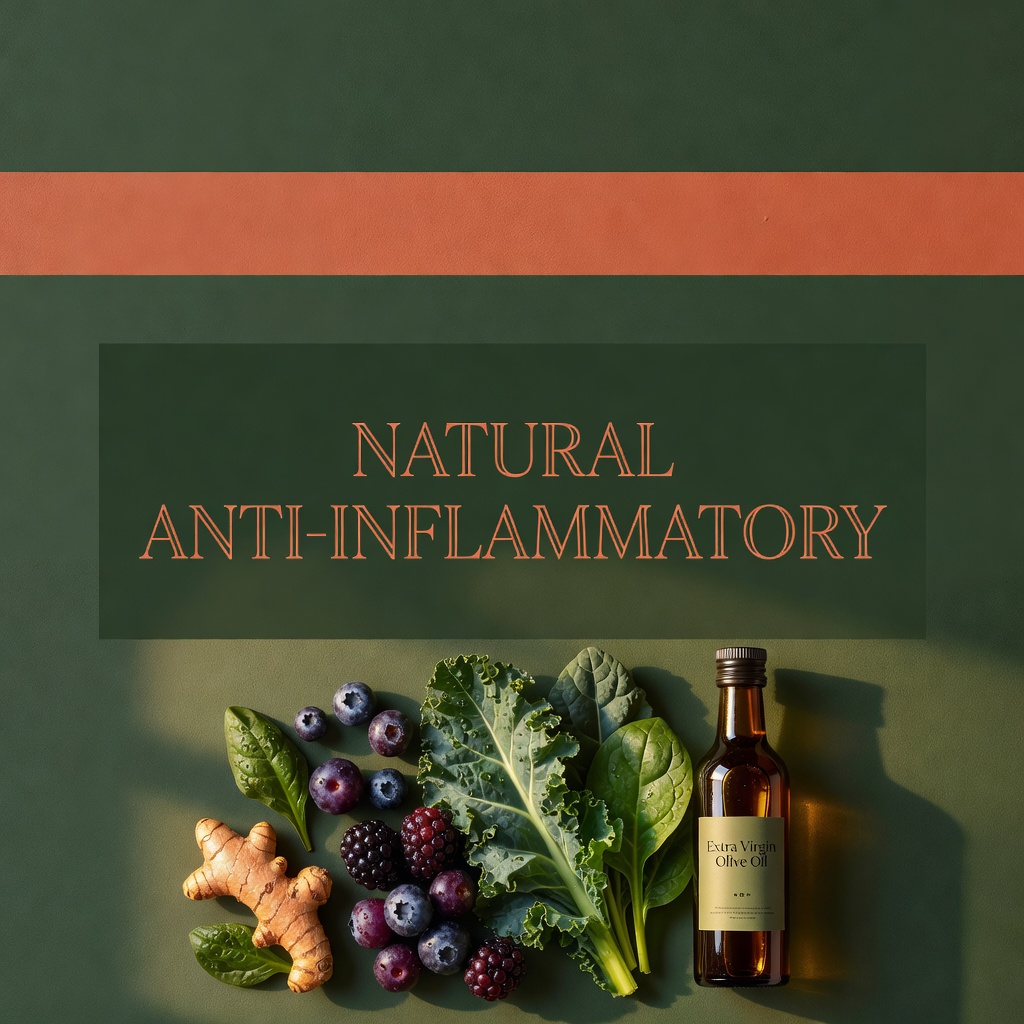
The good news: eating to reduce inflammation doesn't mean eating less — it means eating smarter. These foods actively calm inflammation and support your body's natural healing processes.
Fatty Fish (Salmon, Sardines, Mackerel)
Rich in omega-3 fatty acids (EPA and DHA) that directly block inflammatory cytokine production. Aim for 3 servings per week.
Berries
Packed with anthocyanins — plant compounds that neutralize free radicals and reduce inflammatory markers in blood tests.
Extra Virgin Olive Oil
Contains oleocanthal, a compound with anti-inflammatory action similar to ibuprofen. Use as your primary cooking oil.
Leafy Greens (Spinach, Kale, Swiss Chard)
High in magnesium and vitamin K, both of which regulate inflammatory pathways. Low magnesium is associated with elevated CRP (a key inflammation marker).
Turmeric
Curcumin — the active compound — is one of the most studied natural anti-inflammatories. Combine with black pepper to increase absorption by 2,000%.
Walnuts
The only nut with a significant amount of ALA omega-3s. Also contain polyphenols that support a healthy gut microbiome.
Plain Greek Yogurt
Rich in live probiotic cultures (Lactobacillus and Streptococcus) that directly support gut health and reduce systemic inflammation — the same beneficial bacteria that alcohol and sugar deplete. Its high protein content stabilizes blood sugar, preventing the glucose spikes that trigger inflammatory cascades. Full-fat versions are preferable to low-fat, which often use additives to compensate for texture. Note: It must be plain and unsweetened — flavored varieties with added sugar flip it directly into the inflammatory category (as covered in Chapter 2).
Flaxseeds, Chia Seeds & Hemp Seeds
These power-seeds are exceptional plant-based sources of ALA omega-3 fatty acids. Flaxseeds are rich in lignans (powerful antioxidants), chia seeds provide a massive fiber boost alongside omega-3s, and hemp seeds offer a perfect omega-3/6 balance plus high-quality protein. Sprinkle them daily on smoothies, yogurt, or oatmeal for an easy anti-inflammatory upgrade.
Avocado
Rich in oleic acid (the same fat in olive oil) and lutein, which protects against oxidative inflammation.
Ginger
Gingerols block the same inflammatory enzymes as NSAIDs. Add fresh ginger to tea, smoothies, or cooking.
3 Healing Smoothies to Make This Week
These three smoothies were built around the healing foods in this chapter — no added sugar, no seed oils, and each one balanced with fat or protein to prevent blood sugar spikes.
Golden Glow
- Turmeric & Ginger
- Frozen Mango chunks
- Full-fat Coconut milk
- Pinch of Black pepper
- Fresh Lemon juice
Why it worksBlack pepper activates curcumin by 2,000%; coconut milk adds healthy fat to slow absorption.
Berry Brain Boost
- Mixed Berries
- Plain Greek Yogurt
- Chia Seeds
- Unsweetened Almond Milk
- Handful of Spinach
Why it worksAnthocyanins from berries, probiotics from yogurt, and omega-3s from chia seeds all work together.
Green Healing
- Fresh Spinach
- Half an Avocado
- Cucumber & Lemon
- Fresh Ginger
- Small Green Apple
- Coconut Water
Why it worksMagnesium-rich greens, healthy fats from avocado, and ginger's natural gingerols form a powerful anti-inflammatory trio.
Tip: Avoid adding fruit juice or sweeteners — the natural ingredients provide all the flavor you need.
How to Read Food Labels Like a Pro
The grocery store is a minefield of misleading labels. Here's how to cut through the marketing and know exactly what you're buying.
Ignore the Front of the Package
Terms like 'natural,' 'wholesome,' 'clean,' and 'heart-healthy' are marketing — they have no standardized definition. Always read the ingredients list.
The Ingredients Rule of Five
If a packaged food has more than 5 ingredients, it's worth a closer look. More ingredients usually means more processing.
Spot Hidden Sugars
Sugar has over 60 names on labels — sucrose, dextrose, maltose, fructose, glucose, turbinado, molasses, fruit juice concentrate, corn syrup, cane juice, agave, barley malt, and more. If any appear in the first 3 ingredients, put it back.
Avoid Seed Oils
Look for and avoid canola oil, safflower oil, sunflower oil, corn oil, soybean oil, cottonseed oil, grapeseed oil, peanut oil, sesame oil, rice bran oil, and 'vegetable oil.' These are high in omega-6 and directly inflammatory.
Watch the Serving Size Trick
Manufacturers shrink serving sizes to make sugar and calorie counts look lower. Always check how many servings are in the whole package.
The Anti-Inflammatory Plate Method
You don't need to count calories or follow a restrictive plan. Instead, build every meal using this simple plate framework designed to minimize inflammation and maximize satisfaction.
Half Your Plate: Non-Starchy Vegetables
Leafy greens, broccoli, cauliflower, zucchini, peppers, cucumber, asparagus. These should dominate every meal.
One Quarter: Quality Protein
Wild-caught fish, pasture-raised poultry, grass-fed meat, eggs, or legumes. Protein stabilizes blood sugar and provides amino acids for tissue repair.
One Quarter: Anti-Inflammatory Carbs
Sweet potato, quinoa, brown rice, lentils, or squash. These provide steady energy without glucose spikes.
Add Healthy Fat
A drizzle of olive oil, half an avocado, a handful of walnuts, or tahini. Fat slows digestion, supports hormone production, and carries fat-soluble vitamins.
Season Strategically
Turmeric, ginger, garlic, rosemary, and cinnamon are all potent anti-inflammatory spices. Build the habit of adding at least one to every meal.
Your 3-Day Inflammation Reset
This simple 3-day framework eliminates the most common inflammatory triggers and floods your body with healing foods. Many women notice a visible difference in bloating, energy, and skin clarity within 72 hours.
Day 1 — Eliminate & Hydrate
Cut out sugar, alcohol, seed oils, and processed foods. Drink at least 8 glasses of water with lemon. Focus on: baked salmon, steamed broccoli, sweet potato, and a large leafy green salad with olive oil and lemon.
Day 2 — Rebuild the Gut
Add fermented foods (sauerkraut, kefir, or kimchi). Include bone broth if possible. Meals: soft-boiled eggs with avocado, a large vegetable stir-fry with olive oil and turmeric chicken.
Day 3 — Amplify & Sustain
Introduce anti-inflammatory spices aggressively. Morning: golden milk (turmeric + ginger + coconut milk). Meals: sardines on leafy greens, lentil soup with garlic and rosemary.
What to Drink During the Reset
Filtered water with lemon, plain green tea, ginger tea, bone broth. Avoid all alcohol, soda, juice, and sweetened beverages.
Supplements: What Actually Works
The supplement industry is full of overpromising and underdelivering. Here's an honest breakdown of what the research actually supports for inflammation in women over 40.
Omega-3 Fish Oil (Strong Evidence)
EPA and DHA directly reduce inflammatory cytokines. Look for at least 1,000mg of combined EPA+DHA per serving. Choose triglyceride form for best absorption.
Magnesium Glycinate (Strong Evidence)
Most women over 40 are deficient. Magnesium regulates hundreds of enzymatic processes, including inflammatory pathways. Also improves sleep quality.
Curcumin with Piperine (Good Evidence)
The active compound in turmeric — but must be paired with black pepper extract (piperine) to be absorbed. Look for 500–1,000mg curcumin per serving.
Vitamin D3 + K2 (Good Evidence)
Vitamin D3 deficiency is strongly linked to chronic inflammation and autoimmune issues. Take with K2 to ensure calcium is directed to bones, not arteries.
Probiotics (Promising Evidence)
A diverse gut microbiome reduces systemic inflammation. Look for multi-strain formulas with at least 10 billion CFUs. Refrigerated brands tend to be more potent.
Collagen Peptides (Moderate Evidence)
Supports gut lining integrity — reducing 'leaky gut,' which is a primary driver of systemic inflammation.
What to Skip
Many 'anti-inflammatory' supplements like generic multivitamins, most herbal blends, and colloidal silver have limited evidence. Save your money and focus on food first.
You've Got This. Now Share It.
If this guide helped you, share it with a friend who might need it too. You could change her life.
 ← Return to Nourish & Thrive